The Problem
I bought a second-hand FDM 3D printer to build prototypes at home. Because it was an older, budget unit, the gantry exhibited mechanical play. When printing tall thin shells, layer shifting caused uneven wall thickness: thin sections were fragile, while thicker sections created internal stresses.
Upgrading to an industrial printer was financially prohibitive. Instead of treating printer imprecision as an obstacle to fight against, I asked: could the physical geometry of the part be redesigned to accommodate and neutralize these hardware tolerances?
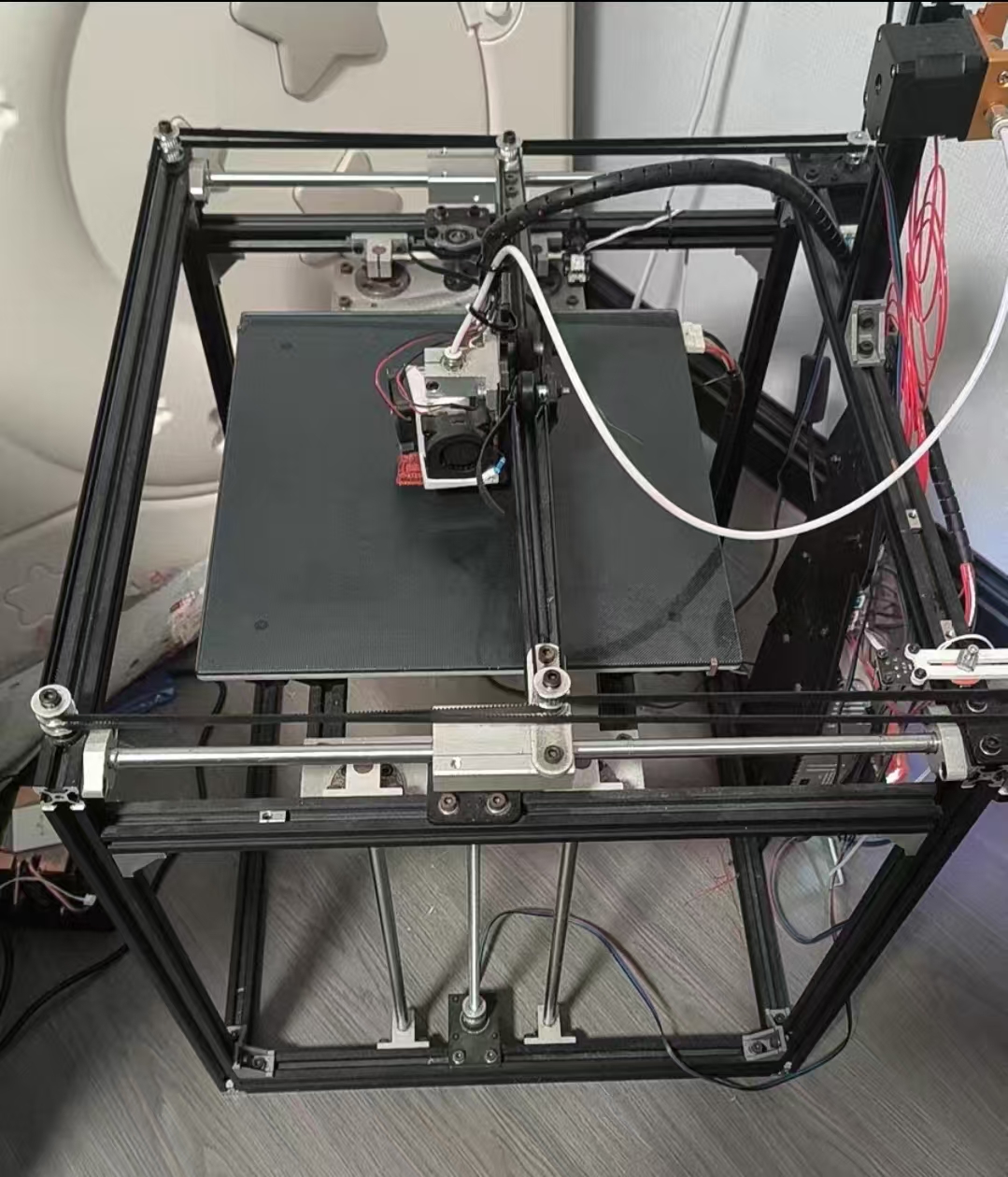 Figure 1: Second-hand FDM 3D printer testbed utilized for tolerance modeling.
The Compliant Lattice Approach
Standard pen holders use solid cylindrical or box walls. If layer deposition drifts even slightly, localized stress points form along horizontal layer seams, making the part prone to delamination.
I modeled an internal spiral ribbed lattice structure. The ribs are curved along load vectors, acting like micro-springs. When the nozzle wobbles, the flexural geometry absorbs the slight excess or deficit of extruded filament without degrading structural integrity.
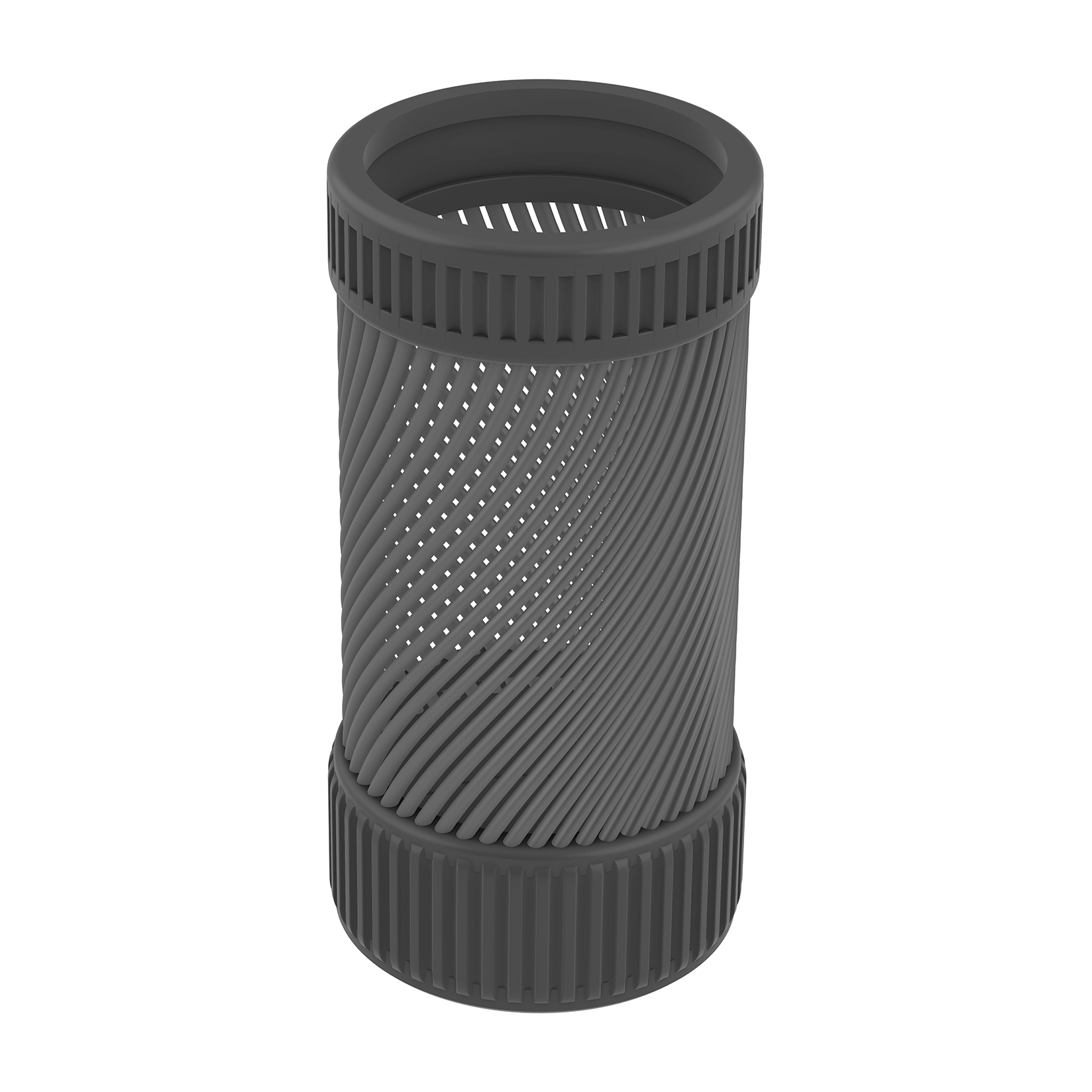 Figure 2: Spiral ribbed lattice geometry for error-tolerant mechanical load distribution.
Prototyping Iterations
The iterative design process went through multiple test prints:
- Revision 1: Overly dense internal lattices caused nozzle drag and filament stringing on the worn extruder.
- Revision 2: Simplified geometry with straight radial ribs, which proved too rigid and cracked along perimeter seams during cooling.
- Revision 3: Optimized curved helical compliance ribs that successfully balanced flexible filament accommodation with vertical compressive stiffness.
The final printed prototypes consistently held their structural shape and carried writing instruments reliably, even when manufactured on the wobbly budget machine.
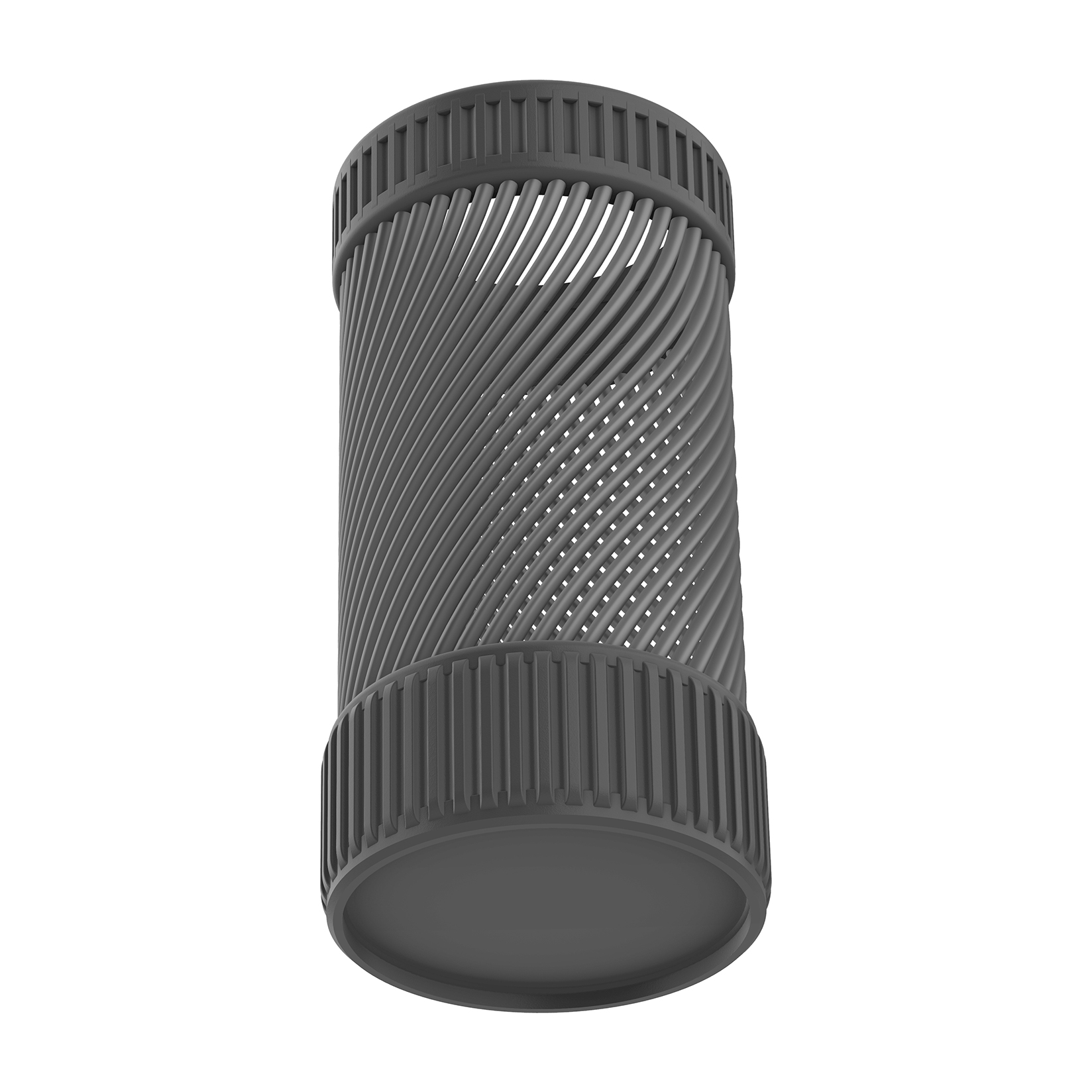 Figure 3: Physical prototype testing and functional verification.
The Patent Award
I documented the geometric mechanism and submitted an application for a Utility Model Patent with the China National Intellectual Property Administration (CNIPA). The patent was formally granted (Patent No. ZL 2023 2 2496739.0).
The core technical value was not simply making another desk accessory, but proving that deliberate mechanical design can overcome low-precision manufacturing constraints.
What I Learned
Hardware constraints can guide creative engineering. When you cannot upgrade the machine, redesign the structure to make the imperfection irrelevant.