The Problem
Conventional chemical sunscreens use synthetic UV filters like oxybenzone and octinoxate. While effective, these compounds are known to cause coral bleaching and can trigger allergic contact dermatitis.
I wanted to investigate whether natural antioxidants could provide effective UV shielding while remaining eco-friendly and gentle on human skin. Literature indicated that polyphenols in green tea, specifically epigallocatechin gallate (EGCG) and related catechins, possess significant UV absorption cross-sections.
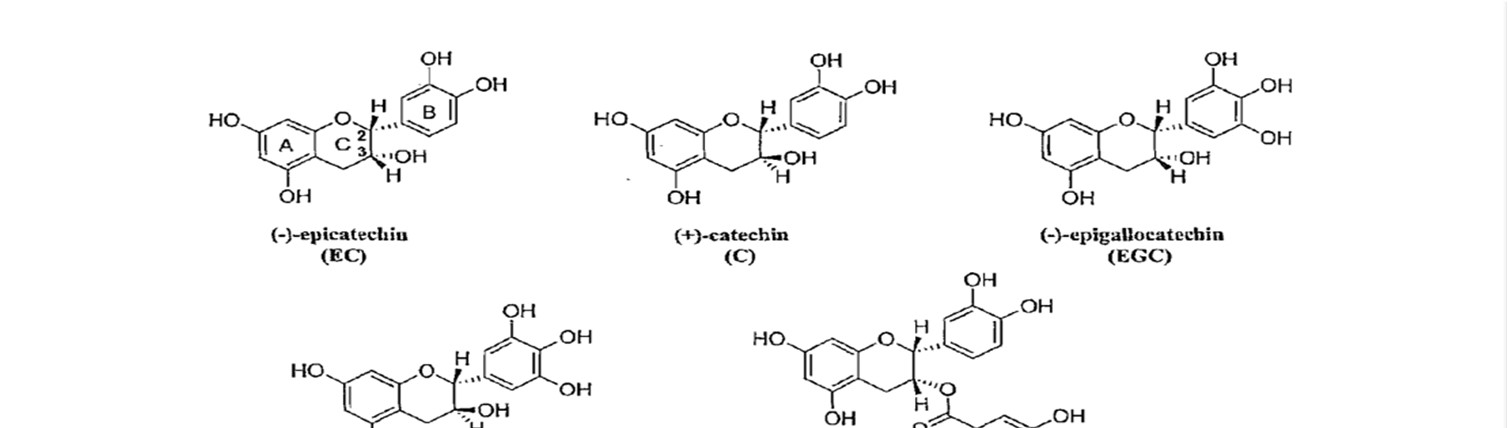 Figure 1: Molecular architecture of bioactive catechins in green tea extract.
Chemical Mechanism
Catechins act through dual protective mechanisms:
- Direct photon attenuation in the UV spectral band.
- Quenching of reactive oxygen species generated during photoexcitation.
To measure protective efficacy systematically without commercial spectrophotometers, I established a chemical benchmark reaction using trans-cinnamic acid. Under UV irradiation, trans-cinnamic acid undergoes reversible photoisomerization to the cis-conformation, which alters optical clarity over time.
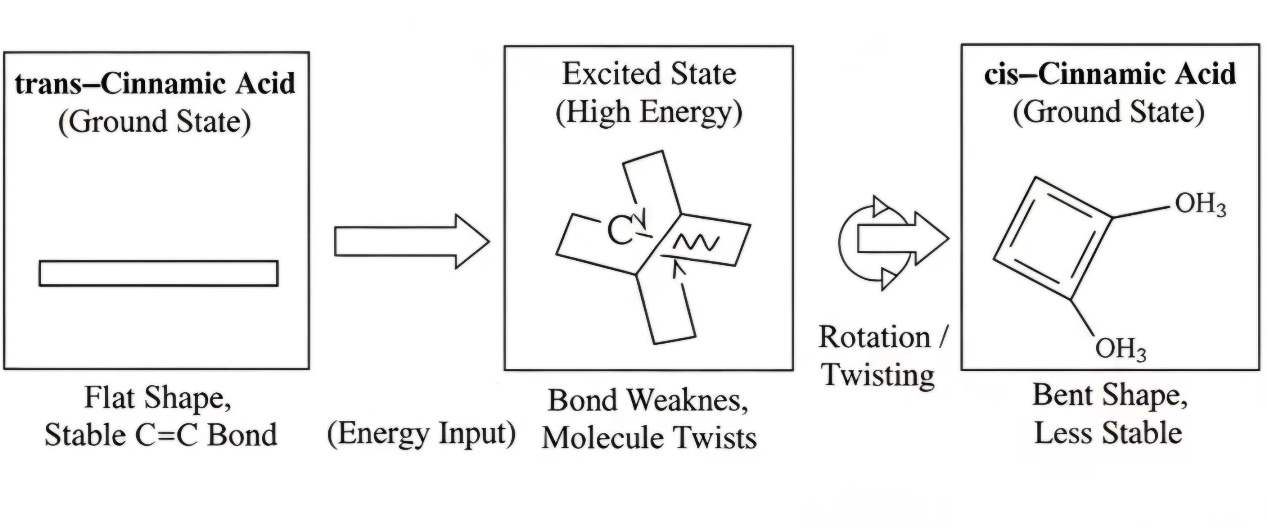 Figure 2: Model photoisomerization pathway of trans-cinnamic acid under UV irradiation.
Extraction and Purification
Green tea leaves were infused in deionized water at 80 °C to extract catechins. Crude extracts contain heavy pigments (theaflavins and thearubigins) that would distort colorimetric tracking.
To isolate the active fractions, I performed liquid-liquid separation using ethyl acetate, repeating the wash cycle until obtaining an optically transparent, catechin-rich aqueous solution.
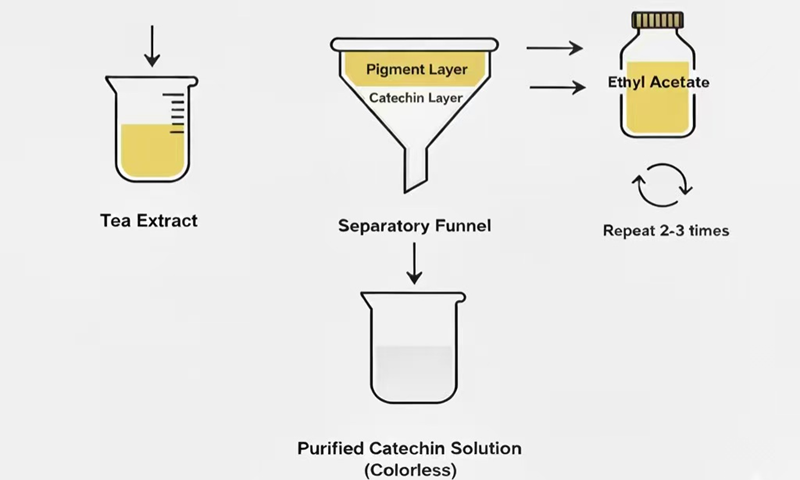 Figure 3: Liquid-liquid extraction funnel setup for pigment phase separation.
Smartphone Colorimetry Setup
Laboratory UV-Vis spectrometers cost thousands of dollars. To measure reaction kinetics with zero commercial lab budget, I engineered an open-air optical rig using an off-the-shelf 365nm UV LED torch, two parallel quartz test tubes, and a smartphone camera mounted on a rigid clamp.
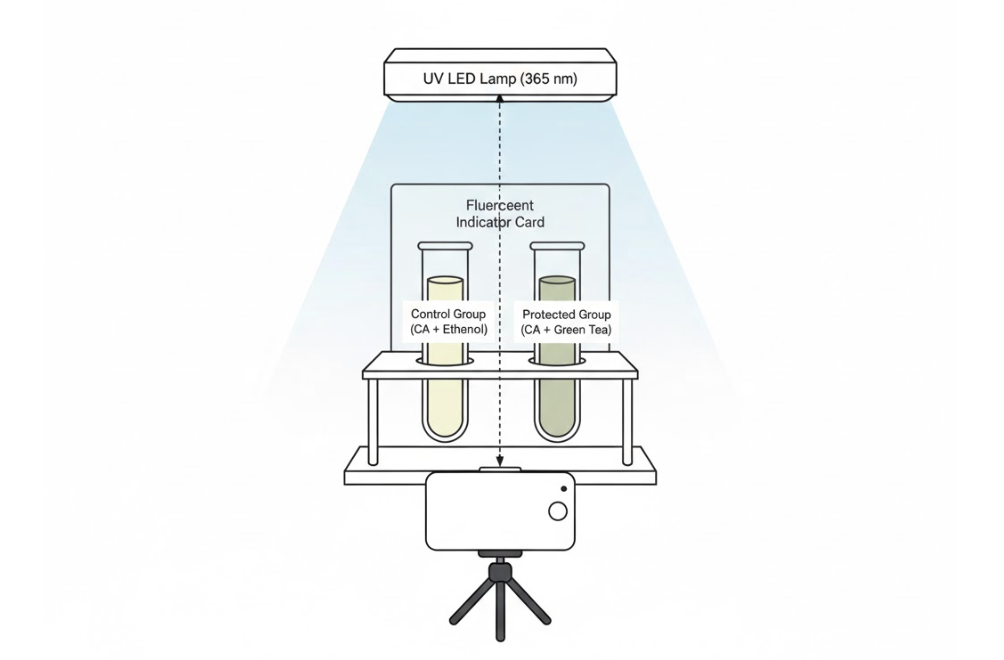 Figure 4: Low-cost colorimetric measurement apparatus with UV illumination.
Exposure parameters (shutter speed 1/125s, ISO 100, color temperature 5500K) were locked manually to prevent automatic gain adjustments from corrupting optical density readings.
 Figure 5: Standardized manual camera exposure and white balance calibration.
Frames were logged at fixed 2.5-minute intervals over a 50-minute exposure timeline. Grayscale pixel intensity curves were extracted via the Color Grab tool to evaluate isomerization velocity.
Results and Findings
The catechin-fortified sample reduced the photoisomerization reaction rate of cinnamic acid by 66.4% relative to the unshielded control group.
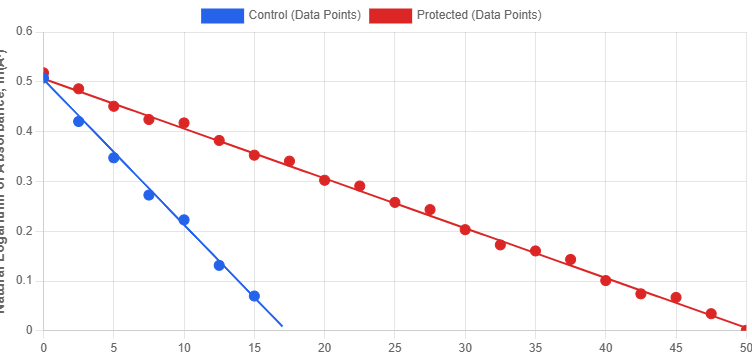 Figure 6: Photodegradation kinetics: control vs catechin-protected solution.
Comparative analysis against commercial sunscreen additives showed that the purified green tea extract provided competitive UV protection across key wavelengths.
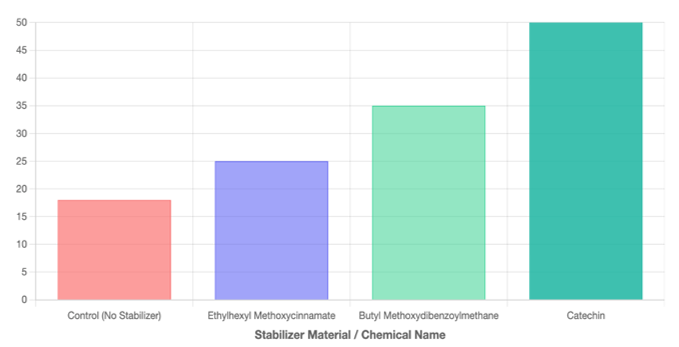 Figure 7: Comparative absorbance against commercial UV filter benchmark.
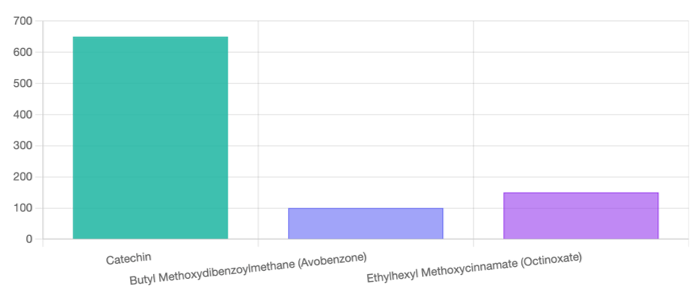 Figure 8: Comparative UV absorption profile against Avobenzone reference.
What I Learned
Real scientific experimentation does not require multi-thousand dollar lab equipment. Understanding physical principles, controlling variables rigorously, and leveraging common tools like a smartphone camera and LED light source can produce clear, verifiable experimental findings.